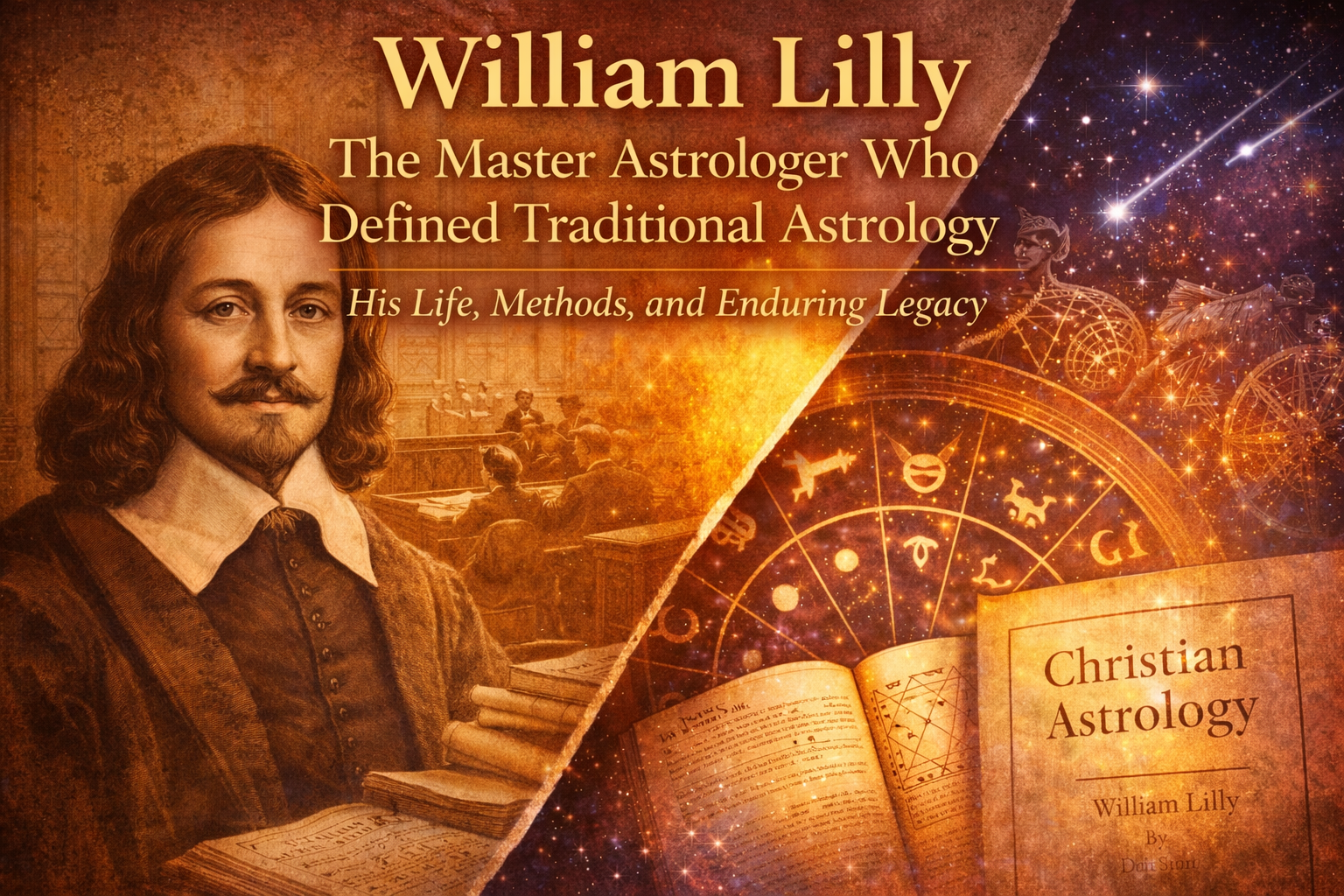
In the history of astrology, few figures stand as prominently as William Lilly. Living in 17th-century England during a time of political upheaval and intellectual transformation, Lilly elevated astrology to a level of precision, credibility, and public relevance that few have matched.
Best known for his mastery of horary astrology and his landmark work Christian Astrology, Lilly shaped the foundations of traditional Western astrology as it is studied today.
Who Was William Lilly?
William Lilly was born in 1602 in Leicestershire, England. Unlike many scholars of his time, Lilly did not come from an elite academic background. Instead, he rose through self-education, discipline, and a deep fascination with astrology.
His Rise to Prominence
- Began studying astrology in his early adulthood
- Learned from older astrologers and classical texts
- Developed a reputation for accurate predictions
- Became one of England’s most sought-after astrologers
Lilly’s success was not only due to his knowledge but also his ability to communicate astrology clearly and confidently.
The World Lilly Lived In
Lilly practiced astrology during one of England’s most turbulent periods—the English Civil War (1642–1651). This era was marked by political instability, religious conflict, and social transformation.
Astrology at the time was widely used for:
- Political forecasting
- Military strategy
- Agricultural planning
- Personal guidance
Lilly positioned himself at the center of this environment, using astrology to interpret and comment on national events.
How William Lilly Practiced Astrology
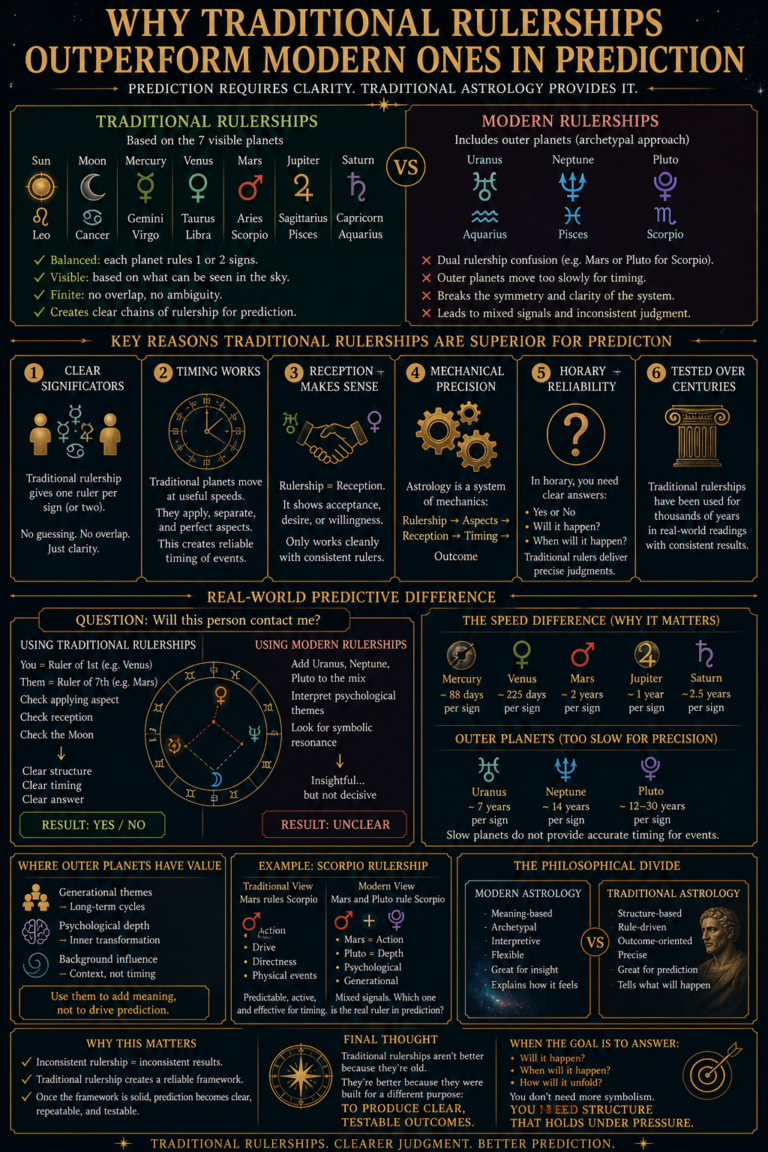
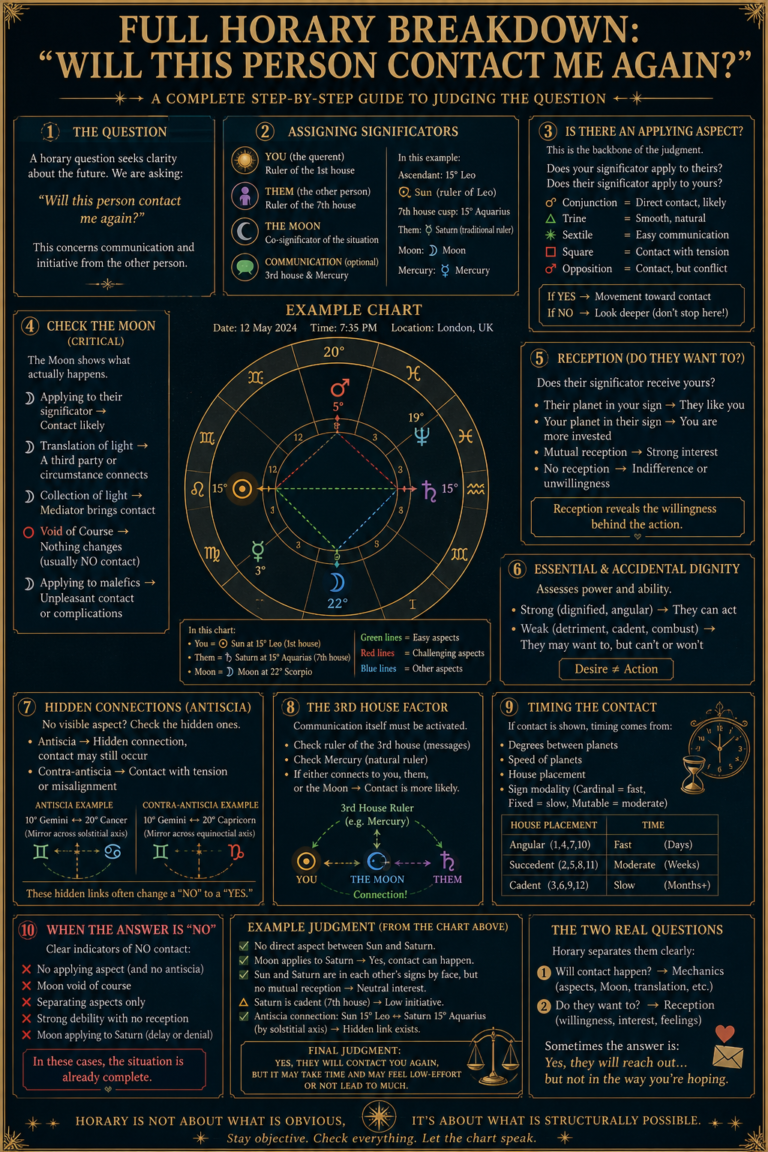
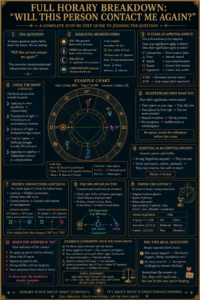
Lilly was particularly renowned for his expertise in horary astrology, a method that answers specific questions based on the moment they are asked.
His Core Approach
1. The Moment of the Question
Lilly believed that the exact moment a sincere question was asked held the key to its answer.
- Time and location were recorded
- A chart was cast for that moment
- The chart was interpreted symbolically
This method allowed astrology to function without requiring a birth chart.
2. Structured Interpretation
Unlike vague or mystical approaches, Lilly followed a strict system of rules.
He analyzed:
- The Ascendant (representing the person asking the question)
- House rulerships (assigning meaning to different areas of life)
- Planetary dignities (strength or weakness of planets)
- Aspects (relationships between planets)
- The Moon (as a key indicator of unfolding events)
His method was logical, systematic, and repeatable.
3. Emphasis on Precision
Lilly used tight orbs (usually within a few degrees) and clear criteria for judgment. He avoided overly speculative interpretations, focusing instead on what the chart clearly indicated.
4. Real-World Application
Lilly answered practical questions such as:
- Will I marry this person?
- Will I recover my lost item?
- Will this business succeed?
- What will happen in political affairs?
This made astrology directly useful in everyday life.
Christian Astrology: His Masterpiece
In 1647, Lilly published his most influential work, Christian Astrology. This three-volume book remains one of the most important texts in Western astrology.
What Made It Revolutionary
- Written in English rather than Latin (making it accessible)
- Detailed explanations of horary, natal, and mundane astrology
- Step-by-step instructions for chart interpretation
- Practical examples and case studies
- Clear rules that could be learned and applied
Even today, astrologers study Christian Astrology as a foundational text.
Lilly’s Predictions and Public Influence
Lilly gained widespread fame for his predictions, particularly regarding political events.
Notable Achievements
- Published annual almanacs predicting national developments
- Made forecasts related to the English Civil War
- Gained a reputation for accuracy among both the public and elites
His influence was so significant that he was even questioned by authorities after the Great Fire of London in 1666, as some believed he had predicted it.
Why William Lilly Was So Effective
1. Clear Methodology
Lilly turned astrology into a structured system rather than a vague art.
2. Accessibility
By writing in English and explaining his methods, he opened astrology to a wider audience.
3. Practical Application
His focus on real-life questions made astrology immediately useful.
4. Confidence and Authority
Lilly presented astrology with conviction, elevating its credibility.
5. Integration of Tradition
He preserved and refined techniques from earlier astrologers, ensuring their survival.
Lilly’s Impact on Astrology
The influence of William Lilly continues to this day.
His Lasting Contributions
1. Standardization of Horary Astrology
Modern horary practice is largely based on Lilly’s methods.
2. Preservation of Traditional Techniques
Without Lilly, many classical astrological methods might have been lost.
3. Educational Legacy
His writings remain essential for students of astrology.
4. Professionalization of Astrology
He demonstrated that astrology could be practiced with rigor and discipline.
5. Influence on Modern Astrologers
Contemporary practitioners continue to reference Lilly’s rules and techniques.
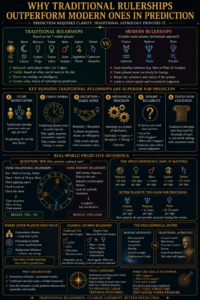
William Lilly vs. Modern Astrology
| Aspect | Lilly’s Approach | Modern Approach |
|---|---|---|
| Method | Rule-based and structured | Often intuitive and flexible |
| Focus | Practical questions and predictions | Psychological and spiritual insight |
| Tools | Manual calculations | Software and digital tools |
| Style | Direct and precise | Interpretive and symbolic |
While astrology has evolved, Lilly’s methods remain a benchmark for accuracy and clarity.
Why Lilly Still Matters Today
In an era where astrology can sometimes become overly generalized or diluted, Lilly’s work serves as a reminder of its intellectual depth.
He represents:
- Discipline in interpretation
- Respect for tradition
- Precision in judgment
- Practical usefulness
For serious students of astrology, studying Lilly is not optional—it is essential.
Final Thoughts
William Lilly was more than an astrologer—he was a system builder, teacher, and pioneer who defined the structure of traditional astrology.
His legacy lies not only in his predictions but in the clarity and rigor he brought to the practice. Through Christian Astrology, he ensured that astrology could be learned, applied, and passed down through generations.
If astrology is a language of the stars, William Lilly was one of its greatest grammarians—giving it rules, structure, and enduring meaning.