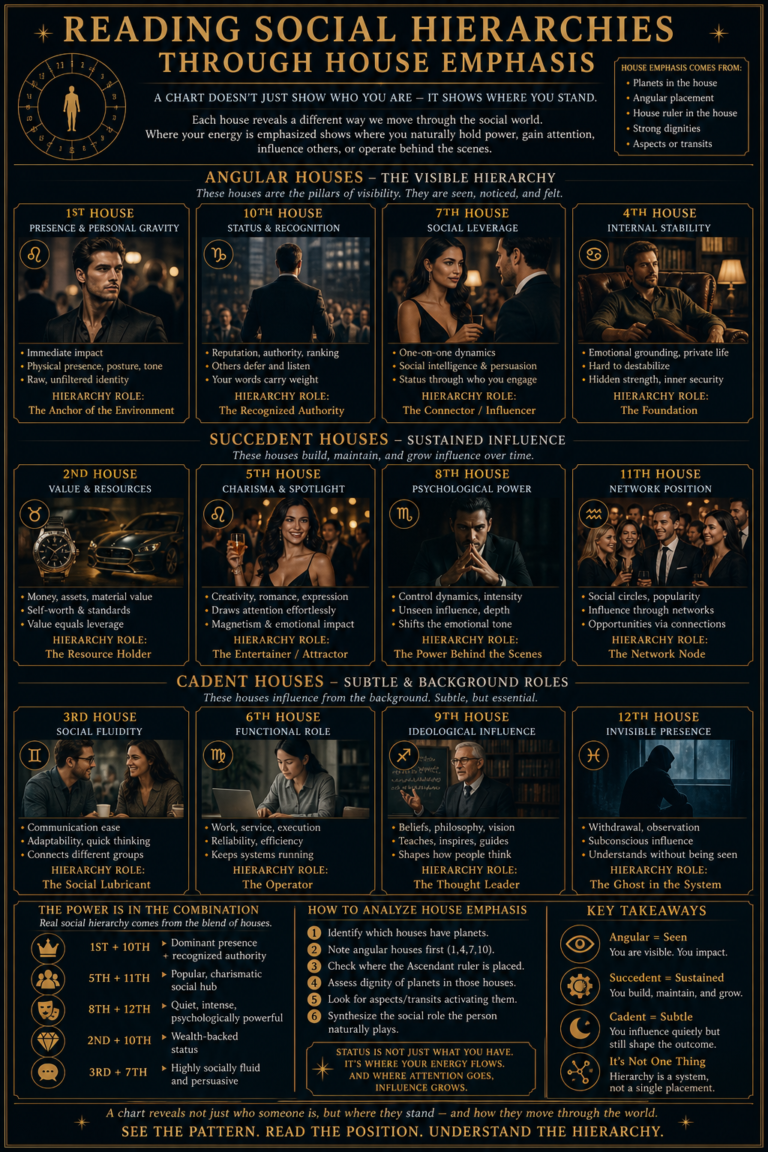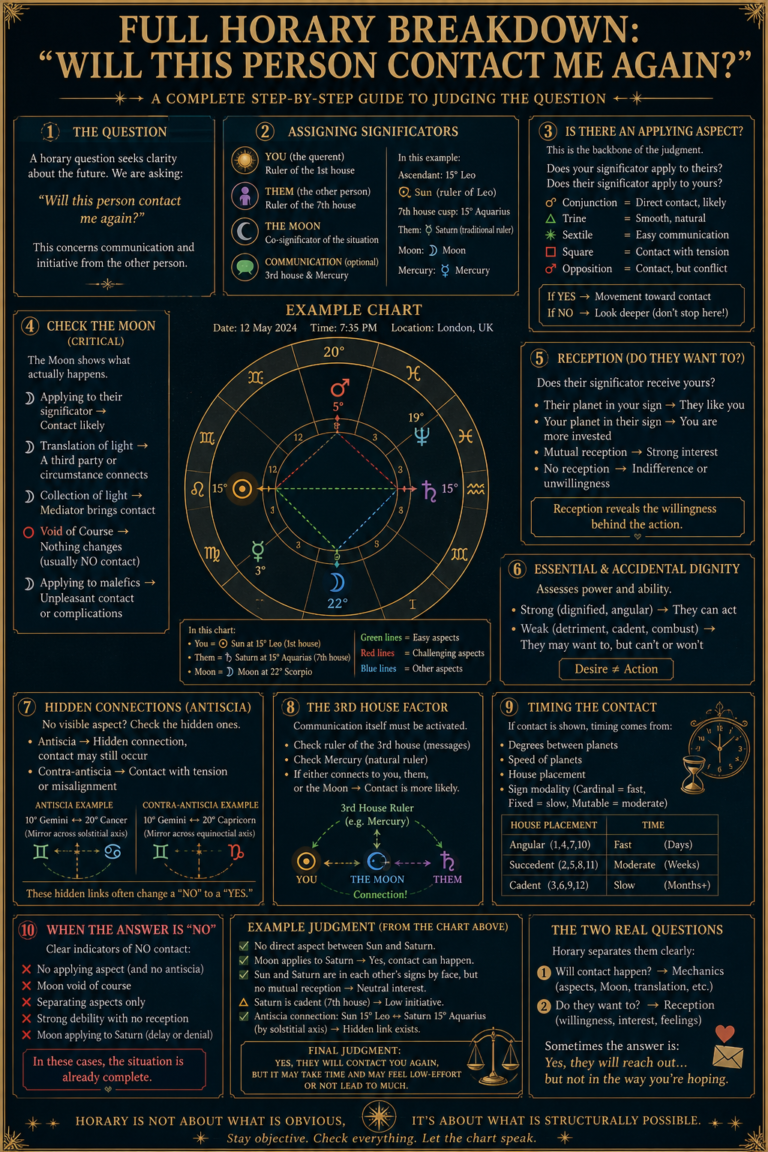
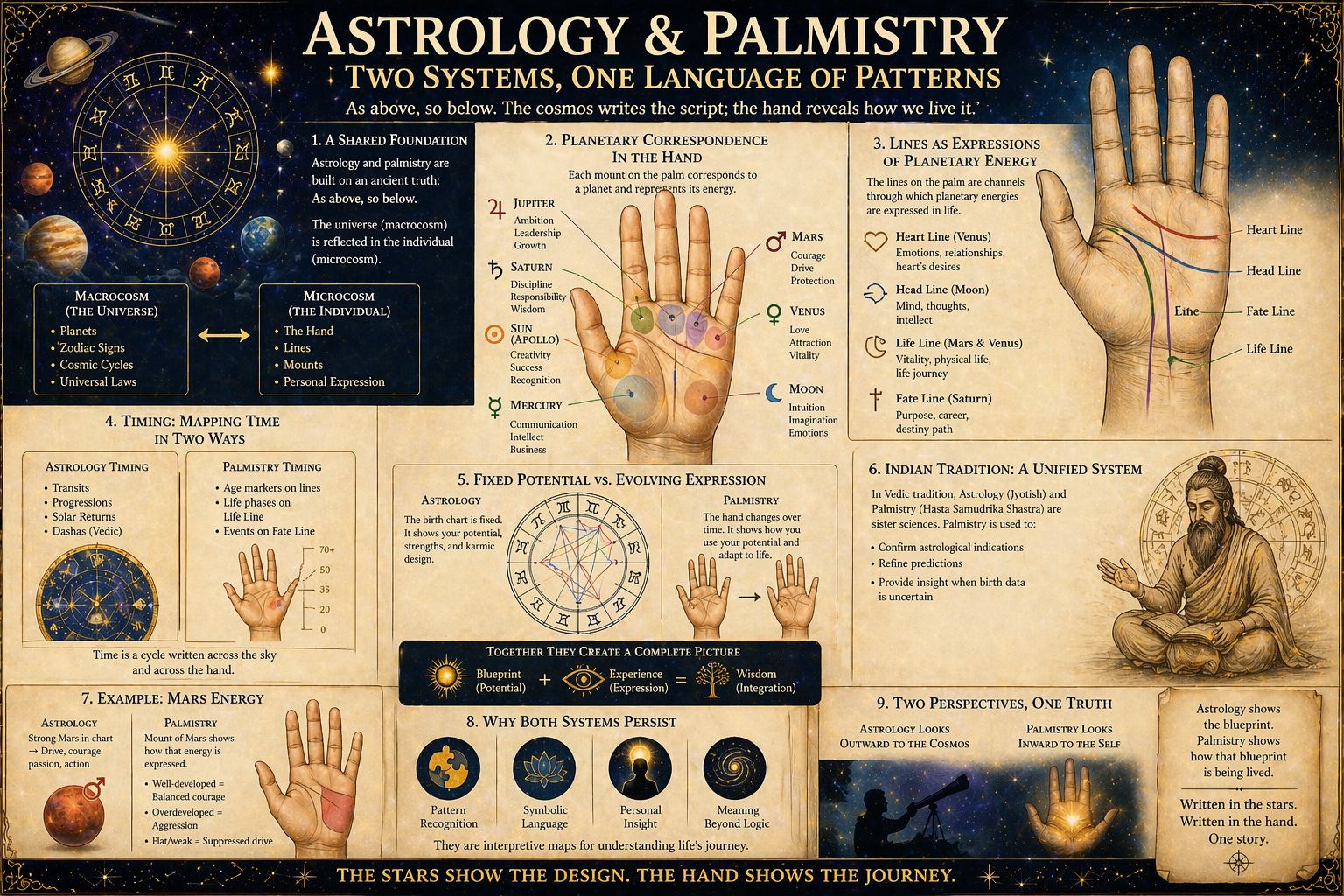
At first glance, astrology and palmistry seem like completely different practices.
- Astrology looks to the sky
- Palmistry looks to the hand
One is cosmic. The other is personal.
But historically and symbolically, these two systems are deeply connected. Both attempt to answer the same core question:
How are patterns of life expressed—and where can we read them?
Astrology reads those patterns in the heavens. Palmistry reads them in the body.
1. A Shared Foundation: The Microcosm and Macrocosm
Both astrology and palmistry are built on an ancient philosophical idea:
“As above, so below.”
This principle suggests:
- The universe (macrocosm) reflects the individual (microcosm)
- Cosmic patterns are mirrored in human life
- The body itself becomes a map of universal forces
In astrology:
- Planets and signs represent energies
In palmistry:
- The hand reflects how those energies are expressed
2. Planetary Correspondence in the Hand
One of the clearest links between the two systems is the mapping of planets onto the palm.
Mounts of the Hand (Planetary Zones)
| Mount | Planet | Meaning |
|---|---|---|
| Mount of Jupiter | Jupiter | ambition, leadership |
| Mount of Saturn | Saturn | discipline, responsibility |
| Mount of Apollo (Sun) | Sun | creativity, recognition |
| Mount of Mercury | Mercury | communication, intellect |
| Mount of Venus | Venus | love, attraction, vitality |
| Mount of Mars | Mars | drive, aggression, courage |
| Mount of Moon | Moon | imagination, emotion |
Diagram: Palmistry Planetary Mounts


Key Insight
Palmistry doesn’t invent its meanings—it borrows directly from astrology’s planetary symbolism.
3. Lines as Expressions of Planetary Energy
Palmistry focuses heavily on lines:
- Life line
- Head line
- Heart line
- Fate line
These are not random markings—they are interpreted as channels of energy influenced by planetary forces.
Example
- A strong Mount of Venus + deep Heart line → strong emotional and romantic expression
- A pronounced Mount of Saturn + straight Head line → disciplined, logical thinking
4. Timing: A Surprising Parallel
Both astrology and palmistry attempt to answer:
When will something happen?
Astrology Timing
Uses:
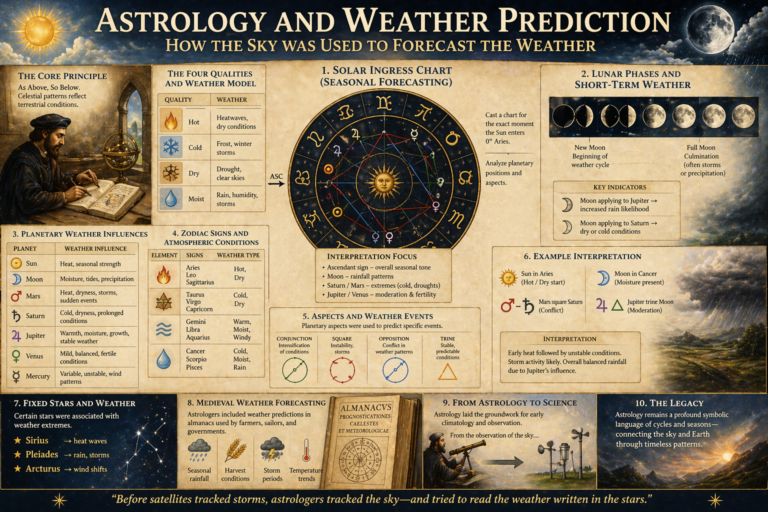
- Transits
- Progressions
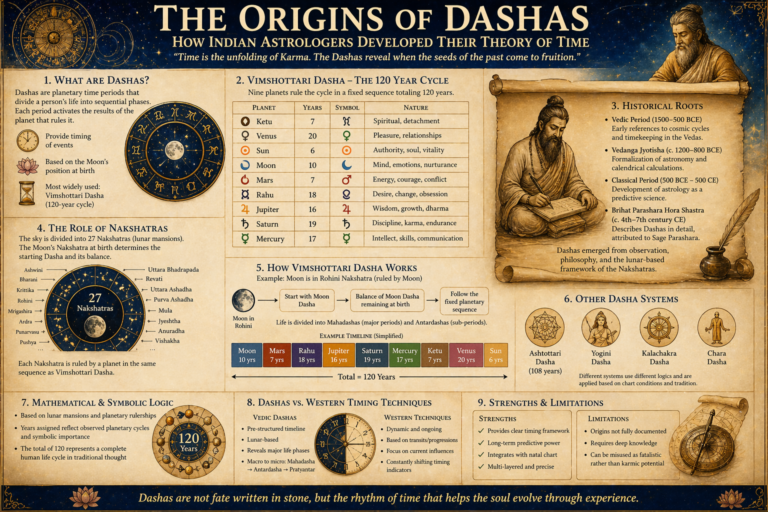
- Dashas (in Indian astrology)
Palmistry Timing
Uses:
- Segments of lines (especially Life line and Fate line)
- Age markers along the hand
Shared Concept
Time is mapped symbolically:
- In astrology → across the sky
- In palmistry → across the hand
5. Fixed vs. Evolving Systems
One major difference—but also a connection—is how each system handles change.
Astrology
- Birth chart is fixed
- Interpretation evolves over time
Palmistry
- Lines can change
- The hand reflects ongoing development
Combined Insight
- Astrology shows potential and structure
- Palmistry shows current expression and adaptation
Together, they create a more complete picture.
6. Indian Tradition: A Unified System
In Vedic Astrology, astrology and palmistry are often treated as complementary disciplines.
Palmistry (Hasta Samudrika Shastra) is used to:
- Confirm astrological indications
- Refine predictions
- Provide additional insight when birth data is uncertain
Why This Matters
In traditional practice:
- Astrology and palmistry are not separate—they are integrated
7. Personality vs. Manifestation
Another way to understand the relationship:
Astrology Describes
- Internal patterns
- Psychological tendencies
- Archetypal energies
Palmistry Shows
- How those patterns are expressed physically
- Behavioral tendencies over time
- Adaptation to life experiences
Example
- Astrology may show strong Mars → drive, aggression
- Palmistry may show how that Mars is expressed:
- Controlled (balanced mount)
- Excessive (overdeveloped mount)
- Suppressed (flat mount)
8. Why Both Systems Persist
Despite skepticism, both astrology and palmistry continue to be used because they offer:
1. Pattern Recognition
A structured way to understand personality and life events
2. Symbolic Language
A non-literal framework for meaning
3. Personal Insight
Tools for reflection and self-awareness
9. Skepticism and Limitations
Both systems face similar criticisms:
- Lack of empirical validation
- Subjective interpretation
- Risk of confirmation bias
However, both also share a strength:
They function as interpretive frameworks, not purely predictive sciences.
Final Thoughts
Astrology and palmistry are not competing systems—they are two perspectives on the same idea.
- Astrology looks outward to the cosmos
- Palmistry looks inward to the body
But both attempt to map:
- Patterns
- Timing
- Personality
- Life development
In a sense:
Astrology shows the blueprint.
Palmistry shows how that blueprint is being lived.
And when used together, they offer something neither can provide alone:
A connection between cosmic design and human experience—written both in the stars and in the hand.