
Astrology has long been a tool for understanding ourselves, our challenges, and our potentials. But it’s not just about individual horoscopes. When it comes to relationships, Synastry offers a deeper look at how two people’s astrological charts interact, helping reveal compatibility, challenges, and areas of growth.
What Is Synastry?
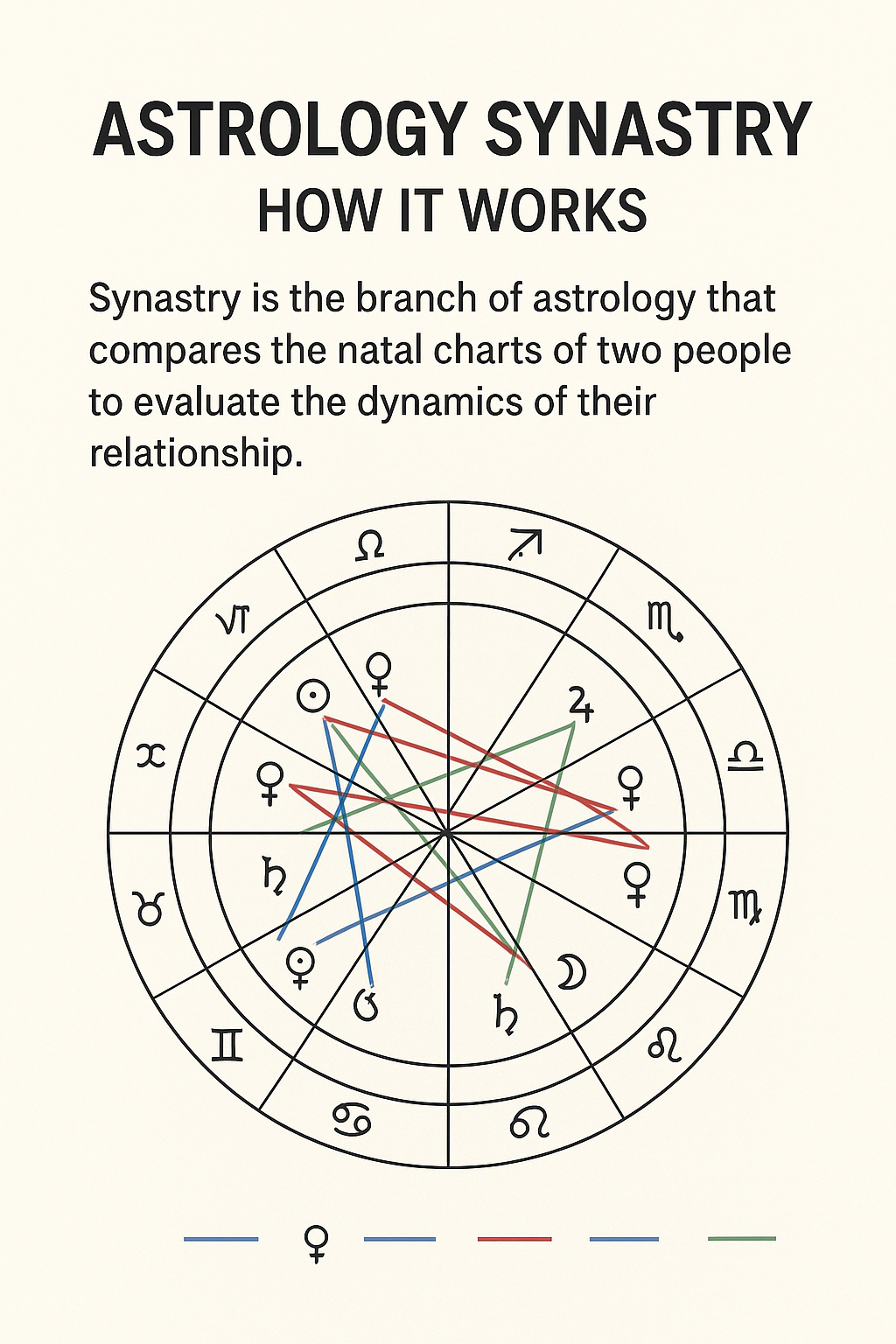
Synastry is the branch of astrology that compares the natal charts of two people to evaluate the dynamics of their relationship. While a natal chart (or birth chart) represents the positions of the planets at the exact moment of an individual’s birth, synastry overlays one chart onto another to see how the planetary energies connect.
In simple terms, synastry is like comparing two musical scores: you can see where the harmonies match, where dissonances exist, and where the potential for beautiful collaboration—or tension—lies.
How Synastry Works
- Planetary Connections
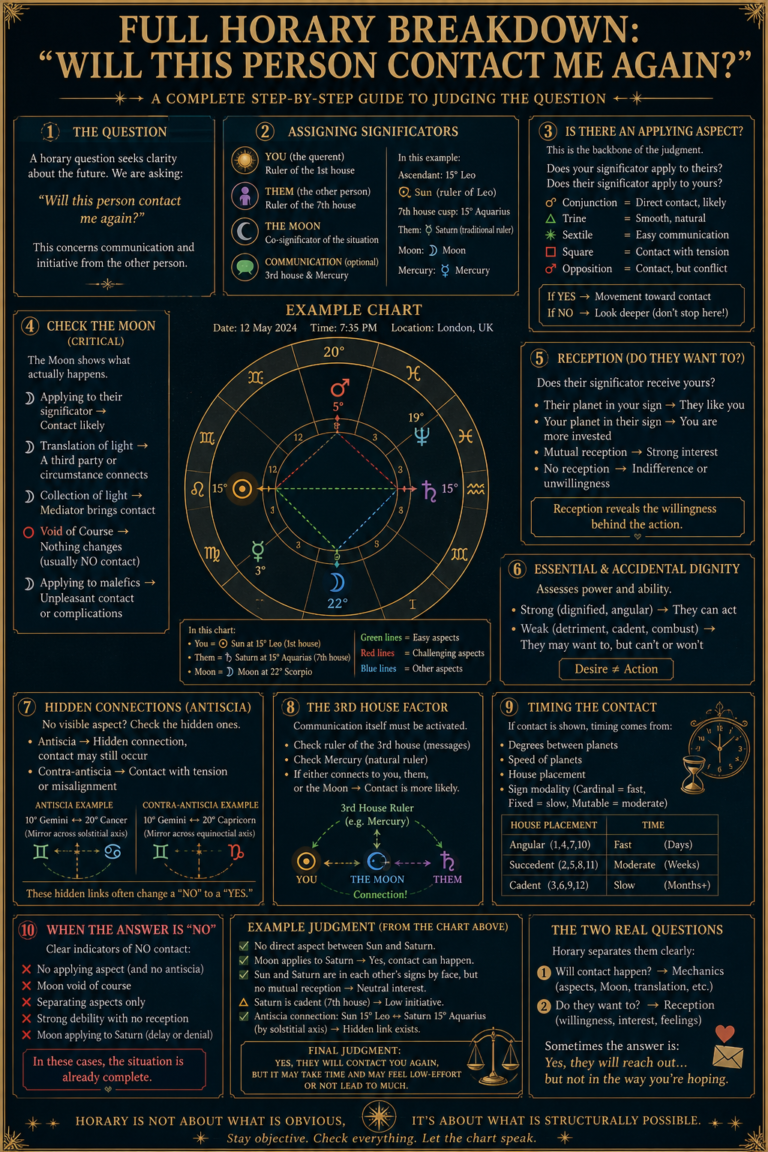
In synastry, astrologers examine how each person’s planets relate to one another. Key aspects include:- Conjunctions: Planets from both charts align, indicating strong focus and connection in that area.
- Trines and Sextiles: Harmonious angles that suggest ease, mutual understanding, and natural compatibility.
- Squares and Oppositions: Tension or challenges that require conscious effort to navigate.
- House Overlays
Another essential component is seeing which of your partner’s planets fall into the houses of your chart. Houses represent areas of life, such as communication, love, career, or home. For example, if your partner’s Venus (planet of love) falls in your 7th house (partnerships), it could indicate a strong romantic or cooperative connection. - The Role of the Sun, Moon, and Rising
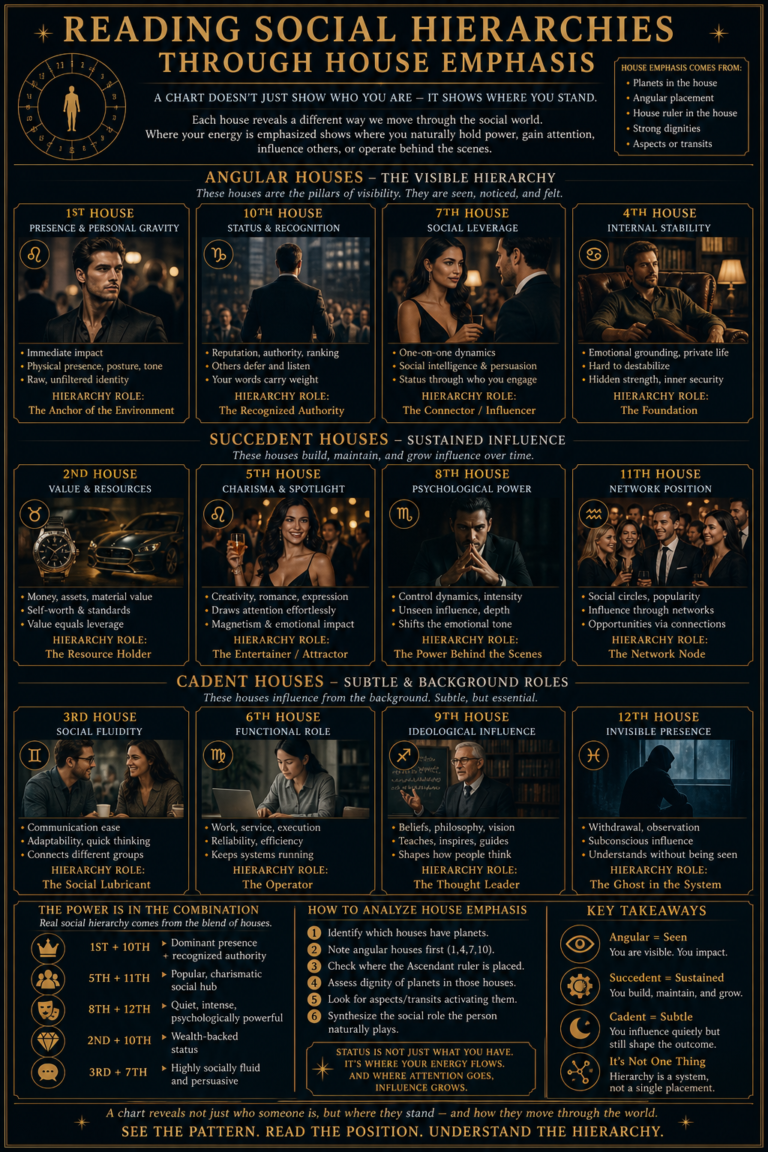
Core elements like the Sun, Moon, and Rising sign play a big role in synastry:- Sun: Represents ego, identity, and conscious expression. Harmonious Sun aspects show mutual respect and shared goals.
- Moon: Governs emotions and inner needs. Moon aspects reveal emotional compatibility and how partners nurture each other.
- Rising (Ascendant): Indicates outward behavior and first impressions. Positive connections here suggest natural attraction and ease in social interactions.
- Planetary Emphasis
Certain planets in synastry highlight relationship dynamics:- Venus and Mars: Attraction, romance, and sexual chemistry.
- Mercury: Communication style and intellectual connection.
- Saturn: Stability, commitment, and challenges that may test the relationship.
- Jupiter: Growth, optimism, and shared joy.
Why Synastry Matters
While synastry doesn’t predict the fate of a relationship, it offers insight into compatibility and potential challenges. By understanding where two charts naturally align or clash, partners can:
- Recognize strengths and harmonies to nurture.
- Understand triggers and potential conflict areas.
- Enhance communication and empathy.
- Make conscious choices to grow together.
Synastry in Practice
For practical purposes, synastry can be applied to romantic relationships, friendships, family bonds, and even professional partnerships. A relationship with strong synastry can feel intuitive and effortless, whereas a challenging one may require work but can lead to profound personal growth.
Many astrologers also combine synastry with composite charts, which create a single chart representing the relationship itself. This dual approach provides a full picture of both individual dynamics and the relationship’s collective energy.
In Summary:
Astrology Synastry is like a cosmic conversation between two people’s charts. It highlights where harmony exists, where challenges might arise, and how energies interplay in the relationship. While it’s not a guarantee of compatibility, it offers valuable guidance for understanding and navigating the complexities of human connection.
I