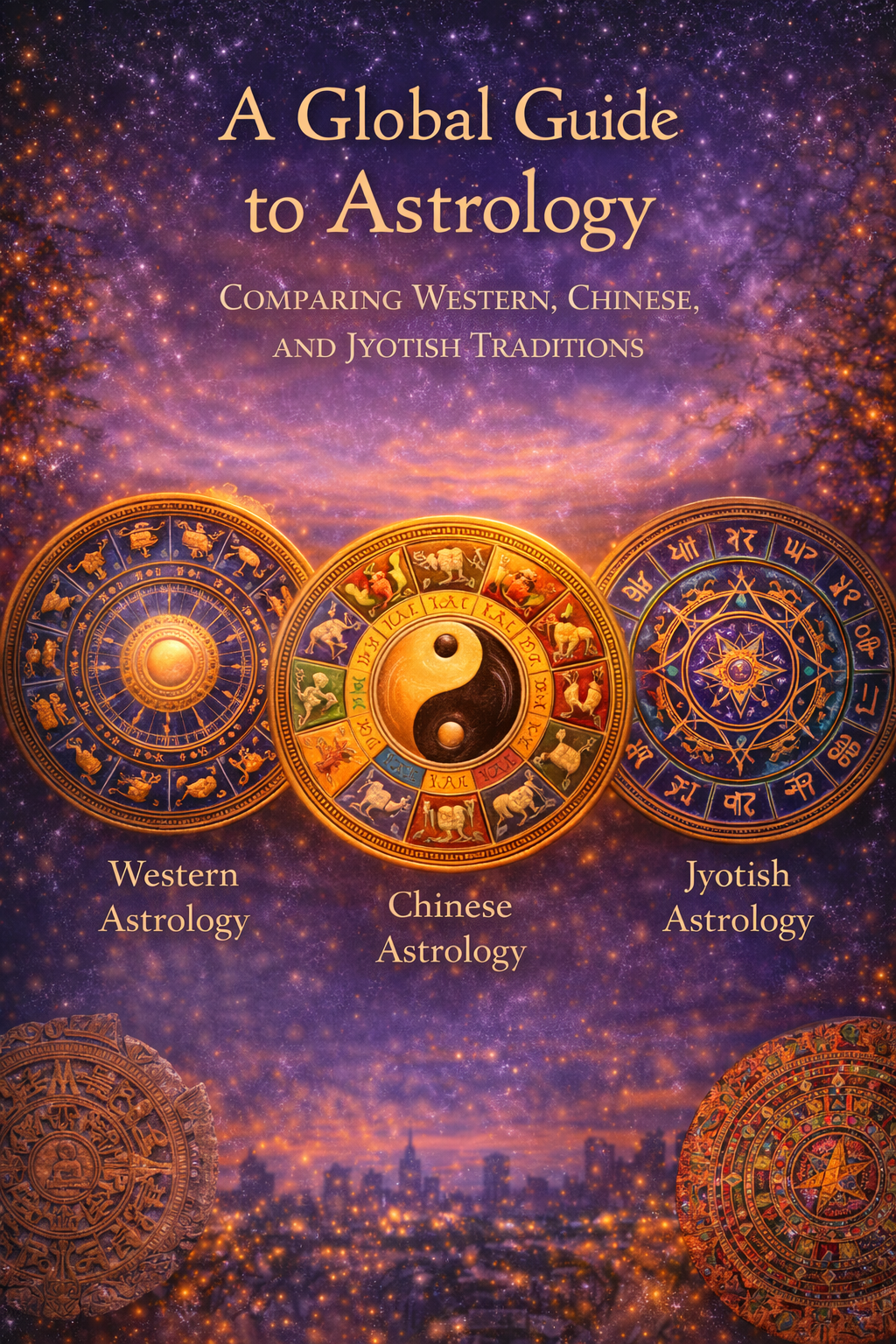
Astrology has captivated humanity for thousands of years, offering insight into personality, destiny, and the rhythms of the cosmos. While many people are familiar with their zodiac sign, fewer realize that astrology is not a single universal system. Instead, it has evolved across civilizations, each culture interpreting the heavens through its own philosophical and spiritual lens.
This article explores the differences and similarities between Western Astrology, Chinese Astrology, and Vedic Astrology—also known as Jyotish—while highlighting lesser-known astrological traditions from around the world.
1. Western Astrology: The Zodiac of Personality and Psychology
Origins and Foundations
Western astrology traces its roots to ancient Mesopotamia and was refined by Greek and Roman scholars. Today, it is the most widely practiced astrological system in Europe and the Americas.
This tradition uses the tropical zodiac, which aligns with the Earth’s seasons rather than the current positions of the constellations.
Key Features
- 12 Zodiac Signs: Aries through Pisces
- Based on Birth Date: Determined by the Sun’s position at the time of birth
- Planetary Influences: Includes Mercury, Venus, Mars, Jupiter, Saturn, Uranus, Neptune, and Pluto
- Birth Charts: Analyze personality, life themes, and compatibility
- Psychological Focus: Emphasizes self-discovery and personal growth
Philosophical Approach
Western astrology is often viewed as a tool for understanding personality, relationships, and life potential rather than predicting fate.
Best Known For:
- Sun sign horoscopes
- Synastry and compatibility analysis
- Personal development and modern spirituality
2. Chinese Astrology: Cycles of Time and Destiny
Origins and Foundations
Chinese Astrology dates back more than 2,000 years and is deeply intertwined with Chinese philosophy, including Taoism, Yin-Yang theory, and the Five Elements.
Rather than focusing on months, this system operates on a 12-year lunar cycle, with each year represented by an animal sign.
The 12 Chinese Zodiac Animals
- Rat, Ox, Tiger, Rabbit, Dragon, Snake
- Horse, Goat, Monkey, Rooster, Dog, Pig
Each sign is further influenced by the Five Elements:
- Wood, Fire, Earth, Metal, and Water
Key Features
- Based on Birth Year: Determines personality and destiny
- Elemental Cycles: Add depth and variation
- Lunar Calendar: Follows the Chinese New Year
- Compatibility Analysis: Widely used in matchmaking and business decisions
Philosophical Approach
Chinese astrology emphasizes harmony, balance, and the cyclical nature of time.
Best Known For:
- Chinese New Year zodiac signs
- Fortune forecasting and compatibility
- Cultural traditions and celebrations
3. Jyotish (Vedic Astrology): The Science of Light
Origins and Foundations
Vedic Astrology, commonly known as Jyotish, originated in ancient India over 5,000 years ago. The term “Jyotish” translates to “Science of Light.”
Unlike Western astrology, Jyotish uses the sidereal zodiac, which aligns with the actual positions of the constellations.
Key Features
- Sidereal Zodiac: Accounts for the precession of the equinoxes
- Nakshatras: 27 lunar constellations offering precise interpretations
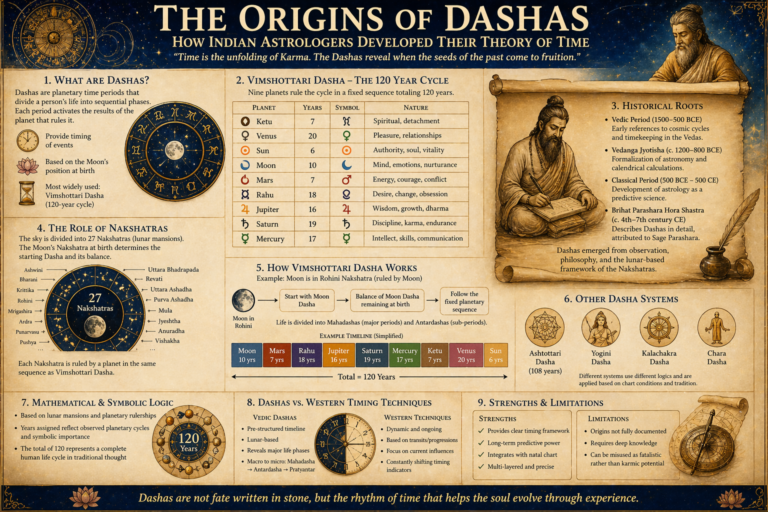
- Dashas: Planetary periods that predict life events
- Karma and Dharma: Emphasizes spiritual destiny
- Remedies: Includes mantras, gemstones, and rituals
Philosophical Approach
Jyotish is deeply spiritual, viewing astrology as a sacred science that reveals karmic patterns and life purpose.
Best Known For:
- Predictive accuracy
- Marriage compatibility (Kundli matching)
- Spiritual and karmic insight
4. Other Lesser-Known Astrological Systems
Mayan Astrology
Mayan Astrology is based on the Tzolk’in calendar, a 260-day sacred cycle. It emphasizes spiritual evolution, cosmic timing, and energetic influences.
Aztec Astrology
Aztec Astrology uses a 260-day ritual calendar known as the Tonalpohualli. It connects individuals with divine forces and sacred symbols.
Hellenistic Astrology
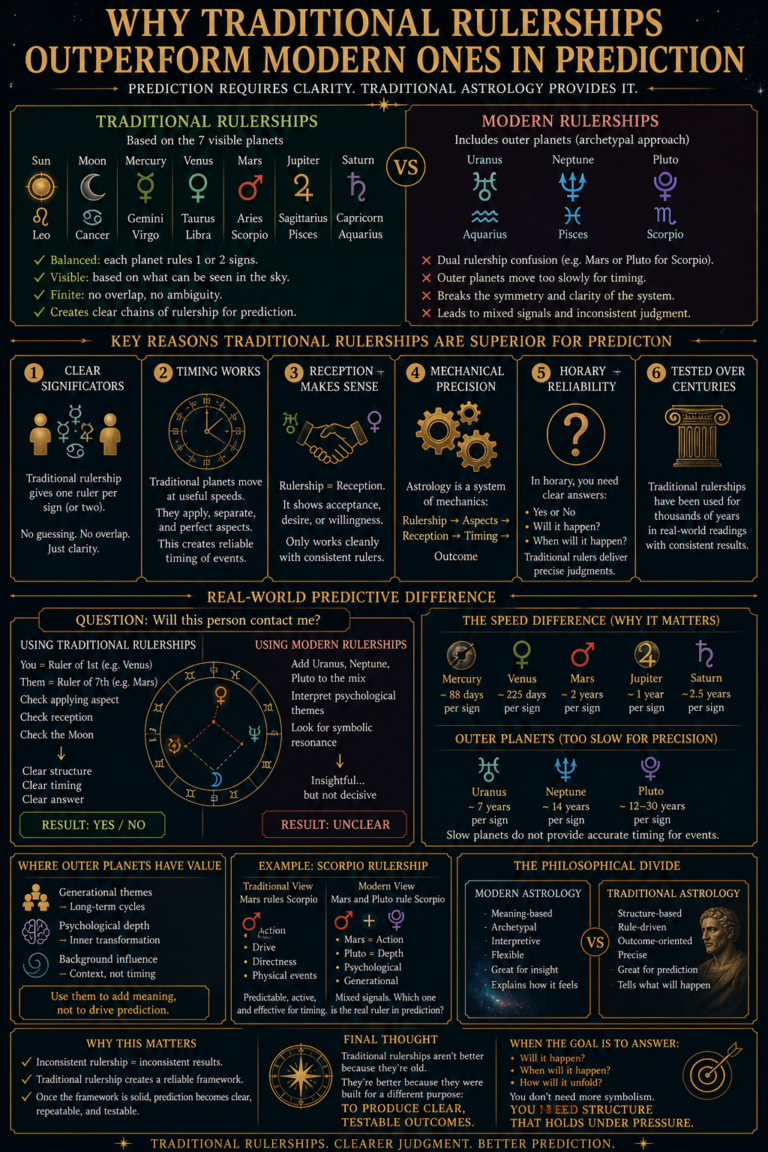
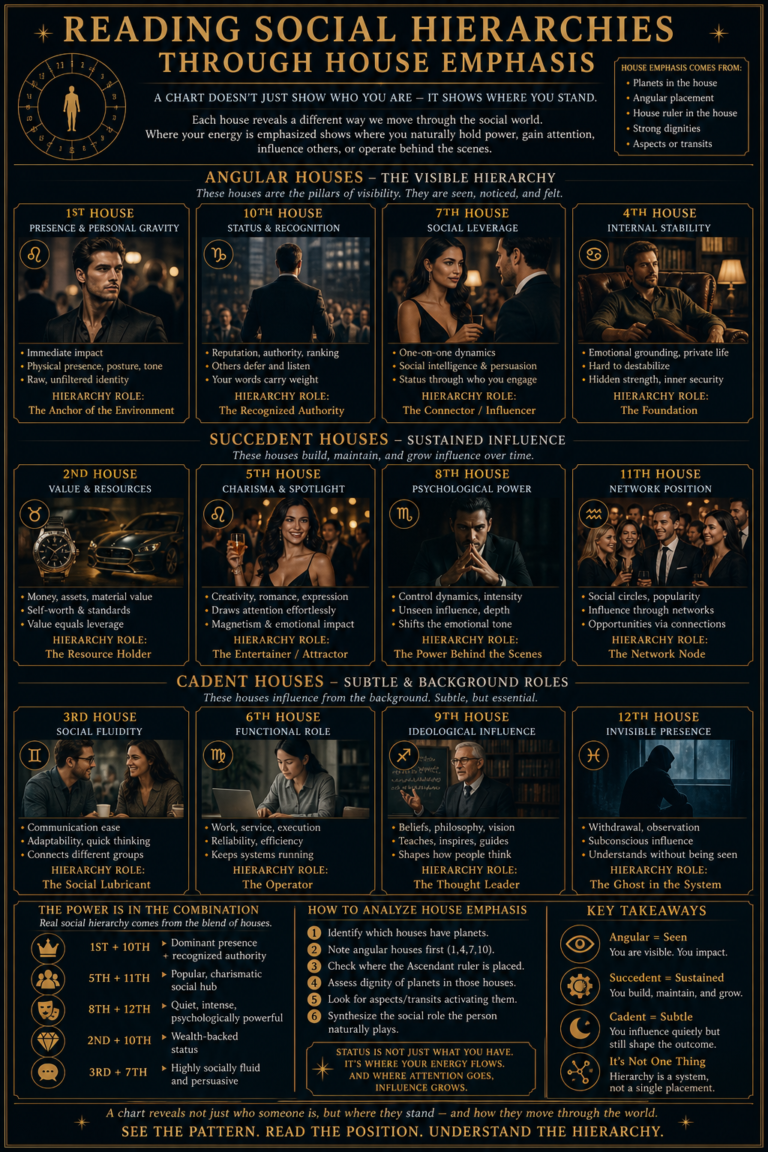
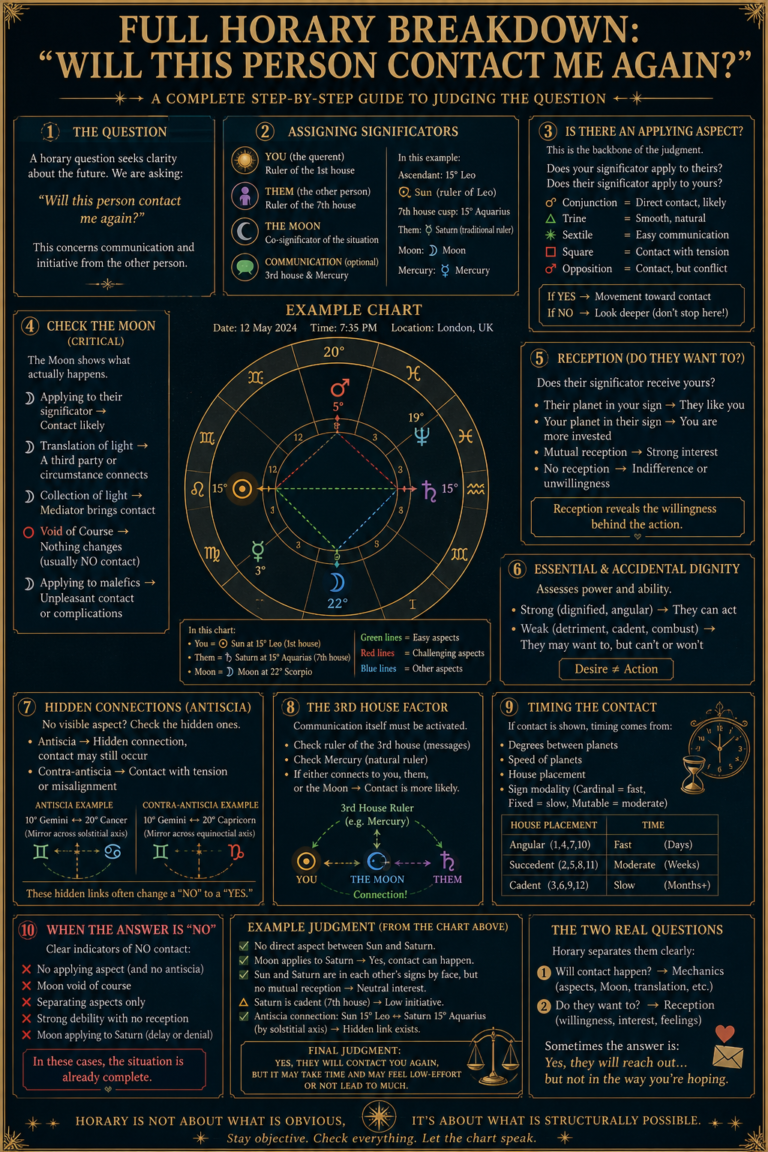
Hellenistic Astrology flourished between the 2nd century BCE and the 7th century CE. It laid the foundation for modern Western astrology, introducing concepts such as houses, aspects, and planetary rulerships.
Egyptian Astrology
This ancient system linked celestial events with divine archetypes and influenced later Greek traditions.
Celtic Astrology
Based on sacred trees, this system associates birth dates with natural energies and spiritual symbolism.
Tibetan Astrology
A fusion of Indian, Chinese, and Buddhist traditions, Tibetan astrology is used for spiritual guidance and life planning.
Key Differences at a Glance
| Feature | Western Astrology | Chinese Astrology | Jyotish (Vedic Astrology) |
|---|---|---|---|
| Origin | Greece & Mesopotamia | Ancient China | Ancient India |
| Zodiac Type | Tropical | Lunar | Sidereal |
| Basis of Sign | Month of Birth | Year of Birth | Exact Birth Time |
| Core Focus | Personality & Psychology | Destiny & Cycles | Karma & Spiritual Path |
| Elements | Fire, Earth, Air, Water | Wood, Fire, Earth, Metal, Water | Fire, Earth, Air, Water, Ether |
| Predictive Methods | Transits & Progressions | Cycles & Elements | Dashas & Planetary Periods |
| Cultural Use | Self-discovery & compatibility | Festivals, fortune, matchmaking | Spiritual guidance and life planning |
Which Astrology System Is Most Accurate?
Each tradition serves a unique purpose:
- Western Astrology: Best for psychological insight and relationship compatibility.
- Chinese Astrology: Ideal for understanding life cycles and cultural traditions.
- Jyotish (Vedic Astrology): Renowned for its predictive precision and spiritual depth.
Rather than competing, these systems complement one another, offering diverse perspectives on the human experience.
Final Thoughts
Astrology is a universal language spoken through many cultural dialects. Whether rooted in the seasonal cycles of Western astrology, the elemental rhythms of Chinese astrology, or the karmic wisdom of Jyotish, each system reflects humanity’s enduring fascination with the cosmos.
By exploring these traditions, we gain not only insight into our personalities and destinies but also a deeper appreciation for the civilizations that shaped them.
Ultimately, astrology reminds us that while we are guided by the stars, our understanding of them is enriched by the diversity of human culture.