
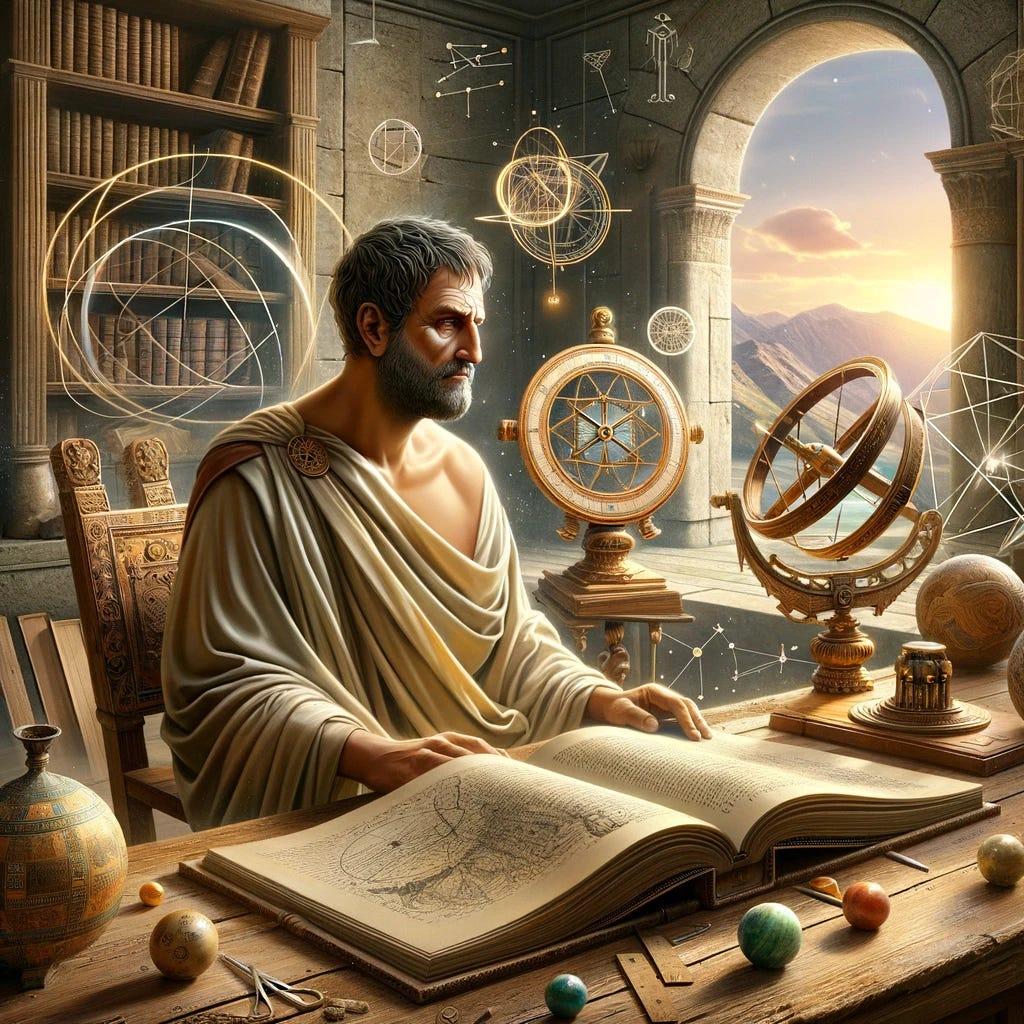
In an age of instant calculations and digital charts, it is easy to forget that astrology was once practiced entirely by hand. Long before the convenience of software and online tools, astrologers relied on mathematical precision, astronomical observations, and meticulous record-keeping to interpret the heavens. The practice of Astrology was not only a mystical pursuit but also a demanding scholarly discipline requiring years of study and dedication.
Understanding how astrology worked before computers offers a deeper appreciation for its rich history and the expertise of those who shaped the tradition we know today.
The Foundations of Traditional Astrology
Astrology originated thousands of years ago in ancient Mesopotamia and evolved through Egyptian, Greek, Indian, Islamic, and Chinese civilizations. Without modern technology, astrologers developed sophisticated systems to track planetary movements and interpret celestial patterns.
Early Practitioners Included:
- Babylonian Priests: Recorded celestial omens and developed the zodiac.
- Greek Scholars: Formalized astrological techniques and mathematical models.
- Indian Astrologers (Jyotishis): Created precise predictive systems using sidereal calculations.
- Islamic Astronomers: Preserved and advanced astrological knowledge during the Middle Ages.
- Medieval and Renaissance Astrologers: Integrated astrology into medicine, politics, and daily life.
Astrology was once regarded as both a science and an art, studied alongside astronomy, mathematics, and philosophy.
How Astrologers Calculated Birth Charts by Hand
Before computers, creating a natal chart was a meticulous process that could take hours. Astrologers relied on printed tables, mathematical formulas, and careful calculations to determine planetary positions.
Step 1: Recording Birth Details
The astrologer required:
- Date of birth
- Exact time of birth
- Geographic location
Accuracy was essential, especially for determining the Ascendant and house cusps.
Step 2: Consulting the Ephemeris
An ephemeris is a book listing the daily positions of the planets. These tables were indispensable tools for astrologers.
Astrologers used ephemerides to:
- Identify planetary longitudes
- Determine retrograde motion
- Calculate planetary aspects
- Track celestial cycles
One of the most famous historical ephemerides was the Rudolphine Tables, compiled by Johannes Kepler in the 17th century.
Step 3: Adjusting for Time and Location
Because planetary positions change throughout the day, astrologers had to calculate the exact placement of celestial bodies at the moment of birth. This involved:
- Interpolating planetary positions between listed times
- Adjusting for time zones
- Converting local time into sidereal time
These calculations required strong mathematical skills and precision.
Step 4: Determining the Houses
To establish the astrological houses, astrologers used reference books known as Tables of Houses, which provided Ascendant and Midheaven positions based on latitude and sidereal time.
Popular historical house systems included:
- Placidus
- Regiomontanus
- Campanus
- Equal House
Selecting and calculating the appropriate system was an intricate process.
Step 5: Drawing the Chart
Once all planetary positions were calculated, the astrologer hand-drew the horoscope wheel.
This process involved:
- Dividing the zodiac into 12 signs of 30 degrees each
- Plotting planets using precise measurements
- Marking aspects such as conjunctions, trines, squares, and oppositions
- Annotating degrees and symbols manually
Each chart was a unique and personalized work of art.
Essential Tools of the Traditional Astrologer
Before digital technology, astrologers relied on a variety of specialized instruments and reference materials.
1. The Ephemeris
A daily record of planetary positions essential for chart calculations.
2. Tables of Houses
Used to determine house cusps based on location and sidereal time.
3. Logarithmic and Mathematical Tables
Helped simplify complex calculations before the invention of calculators.
4. The Astrolabe and Sextant
Astronomical instruments used to measure the positions of stars and planets.
5. Parchment, Compasses, and Protractors
Used to draw accurate and precise horoscopes.
6. Alchemical and Astrological Manuscripts
Provided interpretative guidance and theoretical knowledge.
Astrology in the Medieval and Renaissance Periods
During the Middle Ages and Renaissance, astrology flourished as an integral part of intellectual and cultural life.
Astrology Was Used For:
- Medical diagnosis and treatment (medical astrology)
- Determining auspicious dates (electional astrology)
- Political and royal decision-making
- Agricultural planning
- Navigation and exploration
Notable astrologers such as William Lilly, Johannes Kepler, and Guido Bonatti elevated astrology to a scholarly discipline practiced by kings and scholars alike.
The Challenges of Practicing Astrology Without Computers
While modern astrologers benefit from instant calculations, traditional practitioners faced numerous challenges.
1. Time-Consuming Calculations
Creating a single chart could take several hours—or even days.
2. Risk of Mathematical Errors
A minor miscalculation could significantly alter the interpretation.
3. Limited Accessibility
Astrology required access to expensive books and advanced education.
4. Complex Learning Curve
Astrologers needed expertise in mathematics, astronomy, and philosophy.
5. Physical Labor
Every chart was drawn and calculated manually.
Despite these challenges, astrologers achieved remarkable precision and depth.
Advantages of Traditional Astrology
Interestingly, astrology before computers offered unique benefits:
- Deeper Understanding: Manual calculations fostered mastery of celestial mechanics.
- Stronger Intuition: Astrologers developed interpretative skills through hands-on practice.
- Greater Appreciation: Each chart was crafted with care and intention.
- Scholarly Discipline: Astrology was treated with academic rigor.
- Artistic Expression: Hand-drawn charts were both scientific and aesthetic masterpieces.
Many modern astrologers still study traditional methods to deepen their expertise.
The Transition to the Digital Age
The introduction of computers in the late 20th century revolutionized astrology. Software programs now calculate charts in seconds, increasing accessibility and efficiency.
Modern Benefits Include:
- Instant chart generation
- Accurate calculations
- Advanced predictive techniques
- Global accessibility
- Professional-grade visualizations
However, the foundational principles remain unchanged, rooted in the same traditions practiced centuries ago.
Traditional vs. Modern Astrology
| Aspect | Before Computers | After Computers |
|---|---|---|
| Chart Calculation | Manual and time-intensive | Instant and automated |
| Tools | Ephemerides and tables | Software and apps |
| Accuracy | Dependent on skill | Highly precise |
| Accessibility | Limited to scholars | Widely available |
| Learning Experience | Deep and technical | Convenient and efficient |
| Artistic Value | Hand-drawn charts | Digital designs |
Both approaches offer value, blending ancient wisdom with modern convenience.
Final Thoughts
Astrology before computers was a testament to human ingenuity, discipline, and curiosity about the cosmos. Astrologers meticulously calculated planetary positions, hand-drew charts, and interpreted celestial patterns with remarkable precision—all without modern technology.
While today’s digital tools have made astrology more accessible than ever, they stand upon the shoulders of ancient scholars whose dedication shaped the art and science of astrology.
Understanding this legacy reminds us that astrology is not merely a product of modern convenience but a timeless tradition rooted in observation, mathematics, and the enduring human quest for meaning.
Even in the digital age, the wisdom of the stars remains as eternal as the heavens themselves.