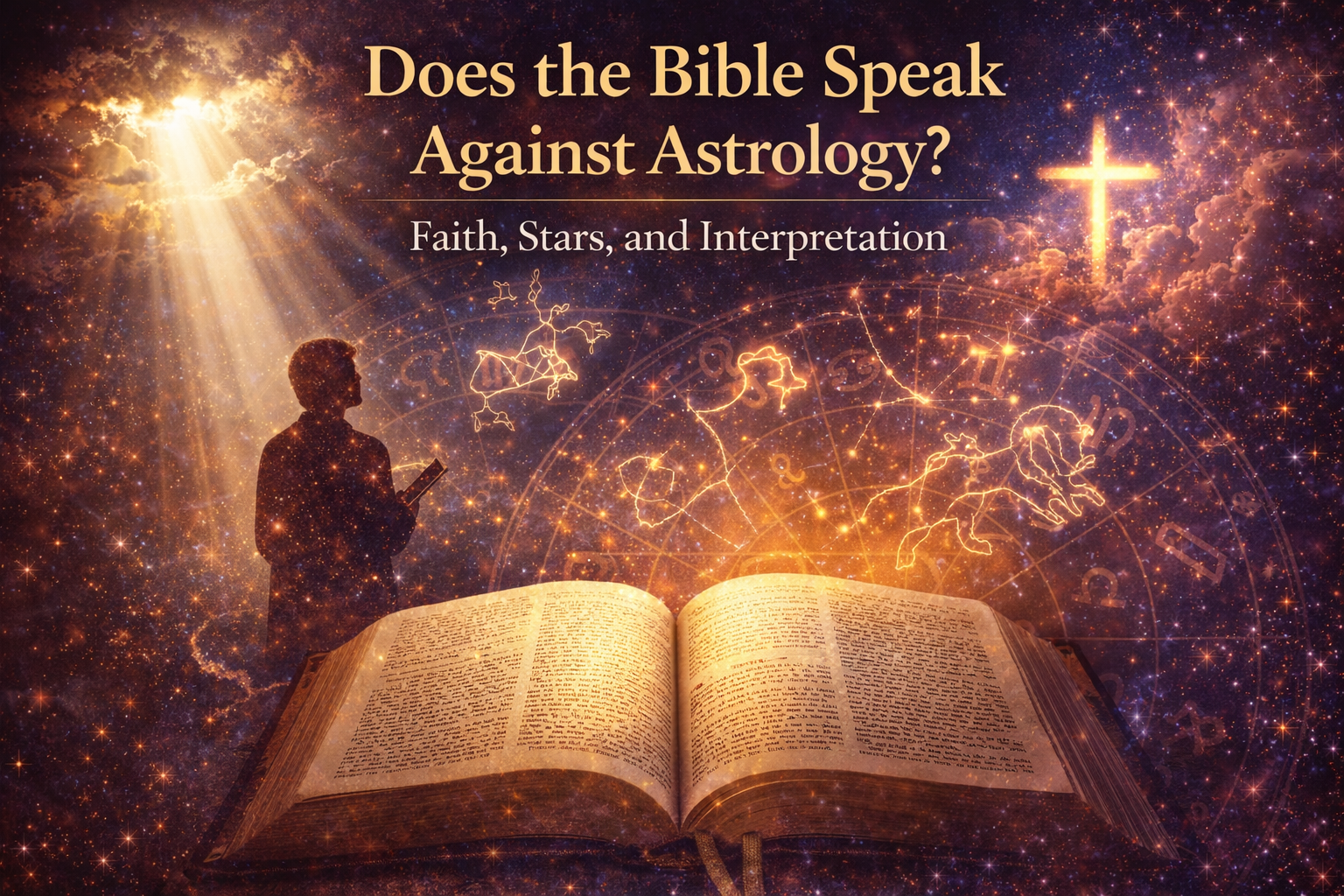
Few topics spark as much debate as the relationship between astrology and the Bible. Some argue that scripture clearly condemns astrology, while others believe it has been misunderstood—or even that celestial symbolism is embedded within biblical tradition itself.
So what does the Bible actually say?
The answer is more complex than a simple yes or no. It depends on how we define astrology, how we interpret scripture, and how we understand the historical context in which these texts were written.
Understanding the Context: Astrology in the Ancient World
Before diving into specific passages, it’s important to recognize that astrology in biblical times was not the same as modern astrology.
In the ancient Near East:
- Astrology was tied to state power and divination
- It was often used by kings to predict wars, famine, and political outcomes
- It was closely associated with pagan religious systems
This distinction matters. When biblical authors critique “astrology,” they are often responding to specific practices, not necessarily the broader idea of studying the heavens.
Key Biblical Passages Often Cited
1. Deuteronomy 18:10–12
This is one of the most commonly referenced passages:
“Let no one be found among you who… practices divination or interprets omens…”
At first glance, this seems like a clear rejection. However, the focus here is on:
- Divination for control or prediction
- Seeking knowledge outside of God
- Practices tied to foreign religious systems
The concern is less about stars themselves—and more about where authority is placed.
2. Isaiah 47:13–14
This passage criticizes Babylonian astrologers:
“Let your astrologers come forward… but they cannot save you…”
This is often interpreted as a condemnation of astrology. But context matters:
- It is directed at Babylon, a rival power
- The criticism is about false security and misplaced trust
- It challenges reliance on prediction rather than divine guidance
In other words, the issue is not observation of the stars—but dependence on them for ultimate answers.
3. Genesis 1:14
Interestingly, the Bible also contains passages that seem to support celestial meaning:
“Let there be lights in the firmament… and let them be for signs, and for seasons…”
This verse suggests that:
- The heavens serve as signs
- Celestial bodies have symbolic or functional meaning
- Time and cycles are divinely structured
This creates a tension: the stars are meaningful—but how that meaning is used becomes the key issue.
The Role of the Magi
One of the most fascinating moments in the Bible involves astrology-like behavior.
In the Gospel of Matthew, the Magi—often described as wise men or astrologers—follow a star to find the birthplace of Jesus.
Why This Matters
- They interpret a celestial event as meaningful
- They use it to guide a journey
- They are not condemned—in fact, they are honored
This raises an important question:
If astrology were inherently forbidden, why would one of the central narratives include figures who rely on the stars?
What the Bible Seems to Oppose
When you look across scripture, a pattern emerges. The Bible does not consistently condemn the existence of celestial meaning—but it does challenge certain uses of it.
Primary Concerns
- Idolatry: Worshiping stars instead of God
- Determinism: Believing fate is fixed and unchangeable
- Divination for control: Attempting to manipulate outcomes
- Misplaced trust: Relying on systems instead of spiritual authority
The issue is not observation—it is dependency and intention.
Astrology vs. Astronomy in Biblical Thought
In ancient times, the line between astrology and astronomy was not clearly defined. Observing the heavens was considered a legitimate pursuit.
However, as theology developed, distinctions emerged:
- Astronomy → studying physical movement
- Astrology → interpreting symbolic meaning
The Bible generally supports:
- Observation of the heavens
- Recognition of cosmic order
But it becomes cautious when interpretation turns into:
- Prediction of fate
- Replacement of divine guidance
Modern Astrology and Biblical Interpretation
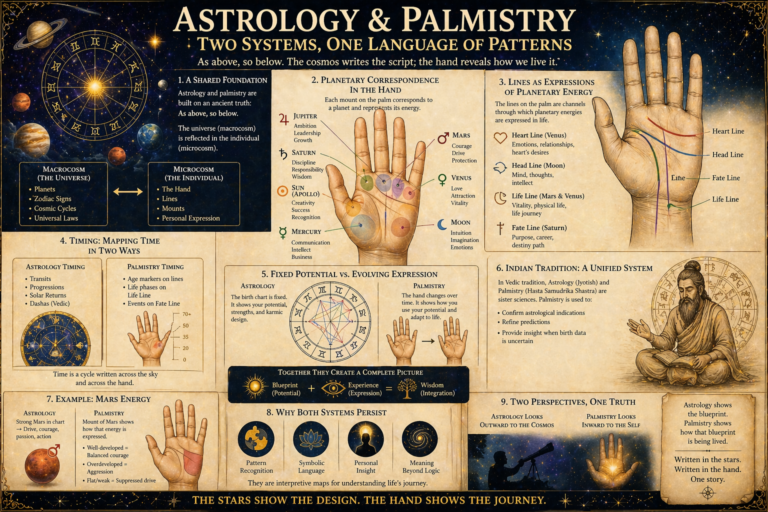
Today, astrology has evolved significantly. Much of modern practice focuses on:
- Personality analysis
- Psychological insight
- Self-reflection
This is very different from ancient forms used for:
- Political forecasting
- Divine communication
- Determining fate
Key Question
Is modern astrology the same thing the Bible critiques?
Not necessarily.
A More Balanced Interpretation
Rather than asking, “Does the Bible forbid astrology?”, a more precise question might be:
What kind of astrology is being addressed?
Possibly Acceptable
- Viewing astrology as symbolic
- Using it for self-reflection
- Understanding cycles and timing
More Problematic (Biblically)
- Treating astrology as absolute truth
- Replacing spiritual or moral judgment
- Seeking certainty or control over the future
Why This Debate Still Exists
This topic remains controversial because it sits at the intersection of:
- Religion
- Philosophy
- Personal belief systems
For some:
- Astrology feels incompatible with faith
For others:
- It enhances understanding of creation and order
Final Thoughts
The Bible does not present a simple, universal rejection of astrology. Instead, it offers a more nuanced message:
- The heavens have meaning
- But meaning should not replace faith
- Observation is permitted
- Dependency is questioned
Ultimately, the tension lies not in the stars—but in how we relate to them.
Astrology, like any system, can either become a tool for reflection—or a substitute for deeper understanding. The Bible’s concern appears to be the latter.